
 Page last updated on 16th March 2026


Consumer-led flexibility: FAQs
Frequently Asked Questions
What is energy flexibility?
In Great Britain, our energy system is always balancing how much energy is produced (supply) against how much energy is needed across the country (demand). Energy flexibility helps to keep our energy system balanced by better matching supply and demand across the day.
You and your constituents can help balance the energy system by changing when and how you use electricity at home in response to a signal.
It might involve using less electricity at certain times, using more when electricity is plentiful and / or cheaper, or shifting activities like charging an electric vehicle or running appliances to different times of the day.
Flexibility helps bring down everyone’s bills, because over time, it reduces system costs by making it more efficient at managing supply and demand for consumers/constituents.
Constituents who actively participate in energy flex are able to make further savings.
How does using energy flexibly benefit energy security?
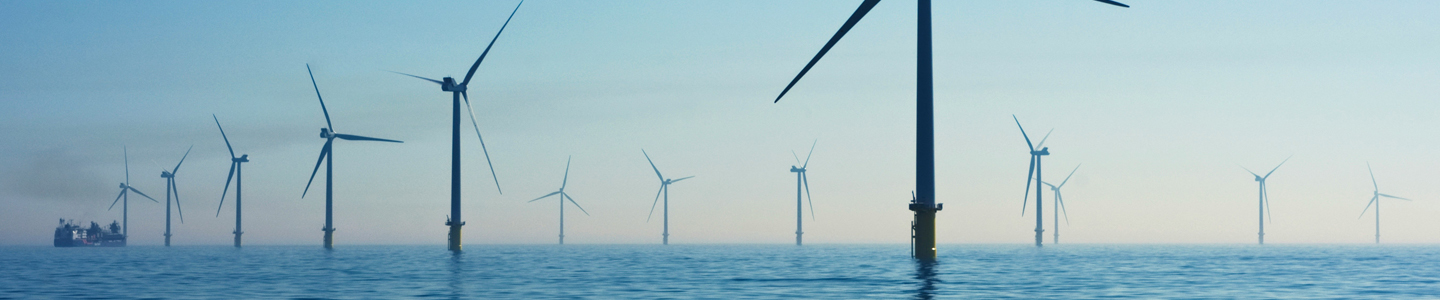
By using electricity flexibly, you can help to balance supply and demand in our energy system, by spreading energy use more evenly throughout the day. A better-balanced energy system means we can make more efficient use of renewable energy generated in Britain, such as wind or solar power, when it is available.
If we have an energy system that is more flexible, and rewards people for shifting their energy use to make better use of homegrown renewable energy, then together we can help keep our energy supply more secure and reduce costs for households.
How can constituents get involved in energy flex?

To take part in flexible energy schemes, you’ll need a smart meter. It must be working in smart mode and sending readings every 30 minutes.
This lets your supplier see when you use energy and offer rewards or cheaper prices for using energy at off-peak times.
Your energy supplier should be able to install a smart meter for you at no extra cost. You’ll also need to sign up for a flexible rewards scheme or a time-of-use tariff. These usually give you cheaper energy at off-peak times or rewards for shifting your energy use.
Check with your supplier for the details of their scheme, as they will vary.
What do peak and off-peak times mean?
Peak energy times are when energy demand is at its highest. For example, one peak time might be evenings on weekdays, when many people are getting home from work, cooking dinner, or watching TV.
Off-peak energy times are when there is less demand for energy. Typically, peak times are between 4 pm and 7 pm Monday to Friday. Off-peak energy is available at different times, not just overnight, like during the day and weekends.
Some energy suppliers offer time-of-use tariffs and flexible energy schemes that offer cheaper energy or rewards for energy use at off-peak times.
You'll need to check the specific terms of these tariffs with your supplier, to ensure you can make the most using cheaper energy at the off-peak times.
What types of flexible tariffs are there?
Time-of-use tariffs offer different prices for energy at different times of the day, or on different days. With these tariffs, energy is cheaper at off-peak times, such as when fewer people are using energy, or when there is more renewable energy being generated.
For example, if you use your washing machine when there is a lot of renewable energy being produced (on windy or sunny days), your electricity could be cheaper than if you were on a fixed rate tariff.
Or, if you have an electric vehicle, you could have an electric vehicle (EV) tariff, which would make it cheaper to charge your electric vehicle at night.
It is important to check the specific terms of each tariff with your supplier to ensure it is suitable for you and that you can benefit from it.
There are two main types of time-of-use tariffs: static and dynamic.
- A static time-of-use tariff offers two or more rates for electricity at fixed times of the day. For example, a lower price during the day and overnight as compared to weekday evenings. Examples of static time-of-use tariffs include older types of tariffs, Economy 7 and Economy 10. These charge a cheaper rate for electricity for 7 or 10 hours a day, usually at night. Static time-of-use tariffs also include most EV charging tariffs, for example, with 4 hours of cheaper charging rates over night, which require a smart meter. These are sometimes referred to as type-of-use tariffs.
- A dynamic time-of-use tariff offers a different price per unit of energy depending on the time of day. For example, the price may depend on the amount of wind power that is predicted for a particular time.
The Demand Flexibility Service (DFS) is a separate scheme that encourages individuals to reduce their electricity consumption during busy and peak hours. Developed by the National Energy System Operator (NESO) and energy suppliers, it aims to help our energy system manage energy better.
Consumers could choose to use power-hungry appliances like tumble driers, ovens, dishwashers, and immersion heaters before or after the DFS event. Reducing electricity usage during the event, for example by using a microwave instead of an electric oven, would also help. In return, people with smart meters who participate, get paid or receive other rewards depending on the terms set by your supplier. This includes households and businesses.
Off-peak energy tariffs, time-of-use tariffs and the DFS are optional. They have been designed to help you save money on your bills, in a way that suits you, so you can feel more in control of the energy you’re using and your energy bills.
What if constituents can’t take part?
Taking part in flexible energy schemes is completely optional.
You can choose the tariff that works best for you, and you don’t have to join any energy-saving schemes. Not every household can shift when they use electricity. Many people need to cook or heat their homes at set times, especially in winter.
If you’d rather not change when you use energy, you might prefer a fixed or standard variable tariff, where the price stays the same all day.
However, if lots of people do join, it benefits everyone. Flexible energy helps balance the grid, makes better use of renewable energy, and creates a more efficient system. Over time, that means energy can become more affordable for everyone, even if you don’t take part.
Need further support?
We’re here to support where we can with any questions you or your constituents may have:
England: [email protected]
Scotland: [email protected]
Wales: [email protected]